
Module 4: Co-creating a wellbeing economy vision
During the participatory process, try to make space to reflect on desired wellbeing outcomes, as well as principles or ways of working for how to arrive at these goals. After all, arriving at new outcomes based on old ways of working can be problematic. Old ways of working may not be suitable to develop the strategies and actions that are needed for change and to ensure broad societal support. Several wellbeing frameworks have defined both desired wellbeing outcomes as well as the ways of working that are required to get there.
For example, He Ara Waiora, the framework of Māori wellbeing that guides policymakers in Aotearoa New Zealand alongside the New Zealand Living Standards Framework, includes five process values for creating wellbeing. Watch the inspiring video by Sacha McMeeking, who led the development of He Ara Waiora, about the government process values that underpin the desired wellbeing outcomes in He Ara Waiora.
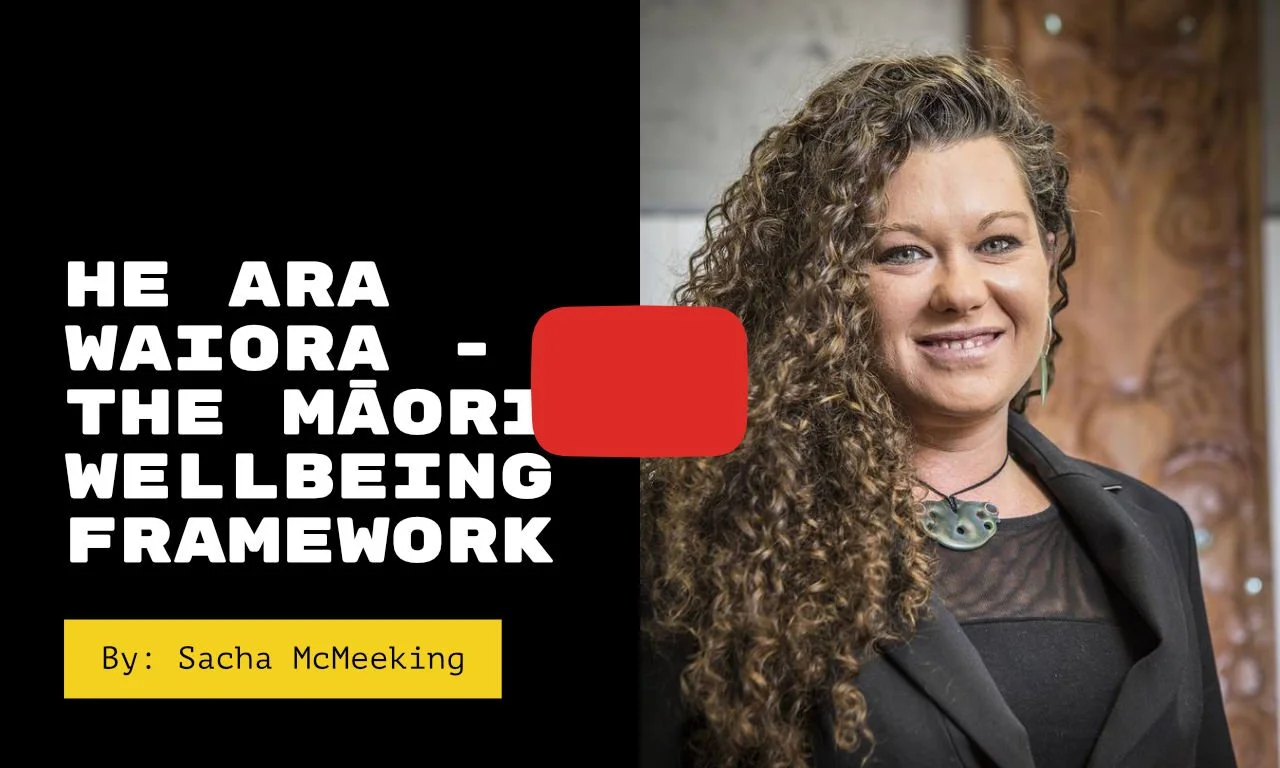
As Sacha explained, He Ara Waiora defines the following principles to guide governance for wellbeing:
Kotahitanga (fostering unity) is about encouraging a joined-up and integrated approach.
Manaakitanga (uplifting wellbeing with understanding) is about ensuring a deep ethic of care and a genuine regard for people's lived realities, needs and aspirations.
Whanaungatanga (building valued relationships) is about a spirit of trust and working with community stakeholders to address challenges and problems, rather than going at it alone using a top-down approach.
Tikanga (good process design) is about carefully considering which (group of) actor(s) might be best placed to help address an issue.
Tiakitanga (stewarding intergenerational wellbeing) is about embodying a stewardship responsibility by truly valuing intergenerational impacts.
Ways of working also play a central role in the Welsh approach to wellbeing and the Wales' Well-being of Future Generations Act. More on that in Module 7!